
Growing Flowers From a Tomb
My interpretation of Ariana Grande's "Hate That I Made You Love Me"

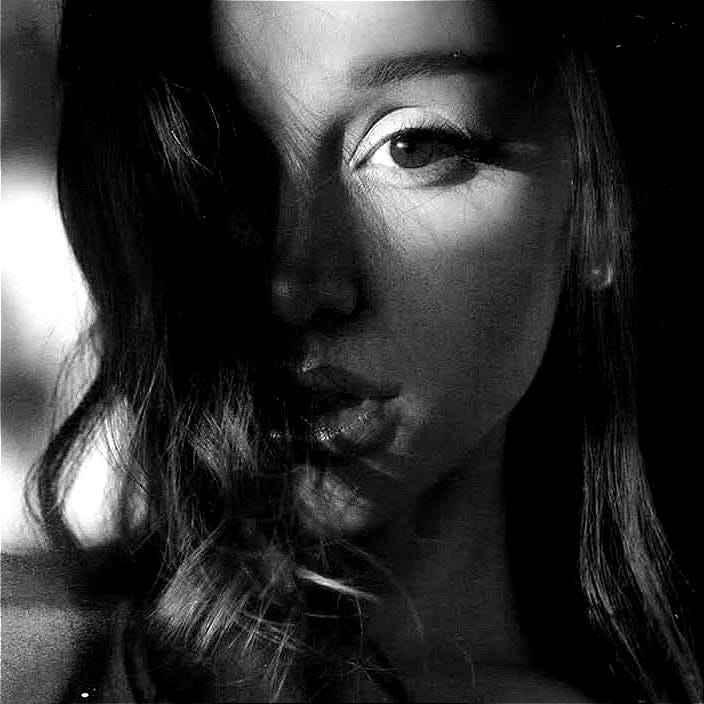
I think I’ve made it pretty clear on this substack that I’ve been genuinely obsessed with Ariana Grande for the longest time. She’s become a slightly strange artist for me to discuss now, though. She’s reached that level of fame where seeing her live feels almost impossible. You know the type: tickets sell out in approximately two seconds and suddenly your chances of getting through the queue are slimmer than your chances of being struck by lightning. Interestingly, I recently saw a trend on social media about “losing an artist to their fame” and felt a little pang of sadness when I thought about Ariana. Not because her success isn’t deserved, but because she’s become one of those artists who feels almost untouchable now.
I’ll also be honest and say that admitting Ariana Grande is one of your favourite artists can still earn you a certain look from people. A glare that suggests your music taste begins and ends with whatever happens to be sitting at the top of the charts. For some reason, people hear “Ariana Grande fan” and immediately picture someone with no interest in “real music”. The irony is that one of the biggest reasons I’ve personally loved her work for so long is because she’s such an enormous music nerd.
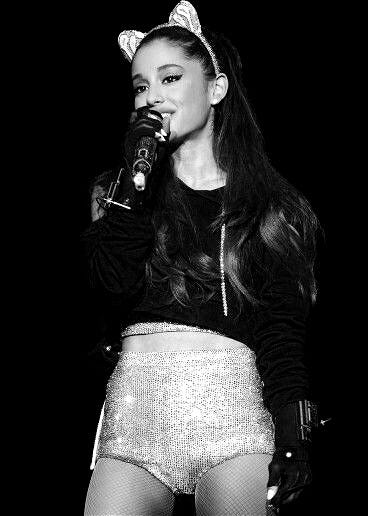
Having watched her grow as an artist, that’s always been the thing I’ve admired most. Years ago, she was performing with MiMu gloves (invented by the legendary Imogen Heap), experimenting with technology and sound in ways that hinted at a much deeper fascination with music-making than people often gave her credit for. Beneath the charts and celebrity headlines is someone who is endlessly fascinated by songwriting, vocal arrangement, production and musical history.
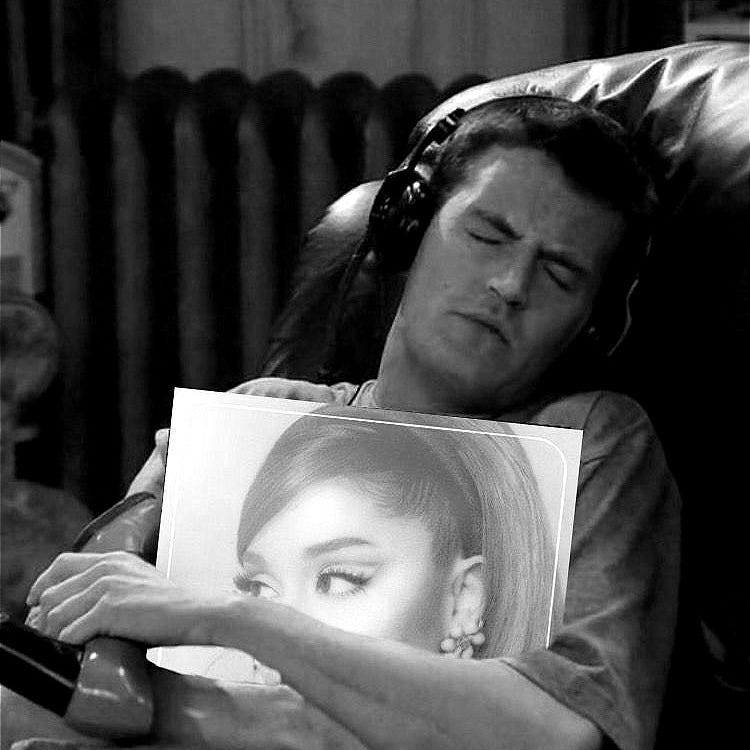
Some of the samples, interpolations and production choices hidden throughout her catalogue still leave me very much like Chandler Bing cradling that vinyl on the sofa. Every time I think I’ve reached the bottom of the rabbit hole, I discover another musical reference or creative decision that makes me appreciate her work even more. For me, Ariana has never been interesting despite her popularity. She’s interesting because of the craftsmanship underneath it.
Which brings me to the actual topic of discussion: Hate That I Made You Love Me. The song has barely been out five minutes and I’ve already listened to it a completely unreasonable number of times. Naturally, I now have thoughts I wish to share. I fear I may be going slightly rogue with my interpretation of the lyricism within this song. However, I also believe that is the magic of music. There are countless songs I resonate with that were likely never intended to mean what they mean to me. Once a song is released into the world, it belongs just as much to the listener as it does to the artist who wrote it. Many fans seem to have interpreted the song as Ariana criticising the people who support her. Some have viewed it as ungrateful, dismissive or even hostile. Personally, I hear something completely different.
To understand why the timeline is currently in a state of collective meltdown over Hate That I Made You Love Me, I think you have to look at the trap of nostalgia. Pop music is an industry built on freezing women in time. Fans build shrines to specific eras, lock the gates, and expect the artist to live inside them forever. For a massive portion of Ariana’s fanbase, that shrine belongs to 2018–2019.
The thank u, next era was, commercially speaking, an absolute juggernaut. It gave the public exactly what they demanded from a 21st-century pop star: hyper-polished R&B hooks, a signature high ponytail and a constant, infectious chorus of “yuh.” This is a slightly unhinged fun fact, however I believe she actually yuh’s about 93 times in the album (you’re so welcome for that). This era was born out of intense personal trauma. Ariana has since spoken openly about that period being a chaotic means of survival rather than a time of healthy self-expression. We all watched her literally bawling her eyes out on stage night after night on that tour, yet a vocal corner of the internet still begs for her to step back into that exact burning house just so they can get those high registers back. I understand why that era feels special. For my own personal reasons, I display an inked thank u, next inside a love heart on my ankle. But in the same breath, I find so much joy in watching her grow from that time, just as I have. We’re only human.
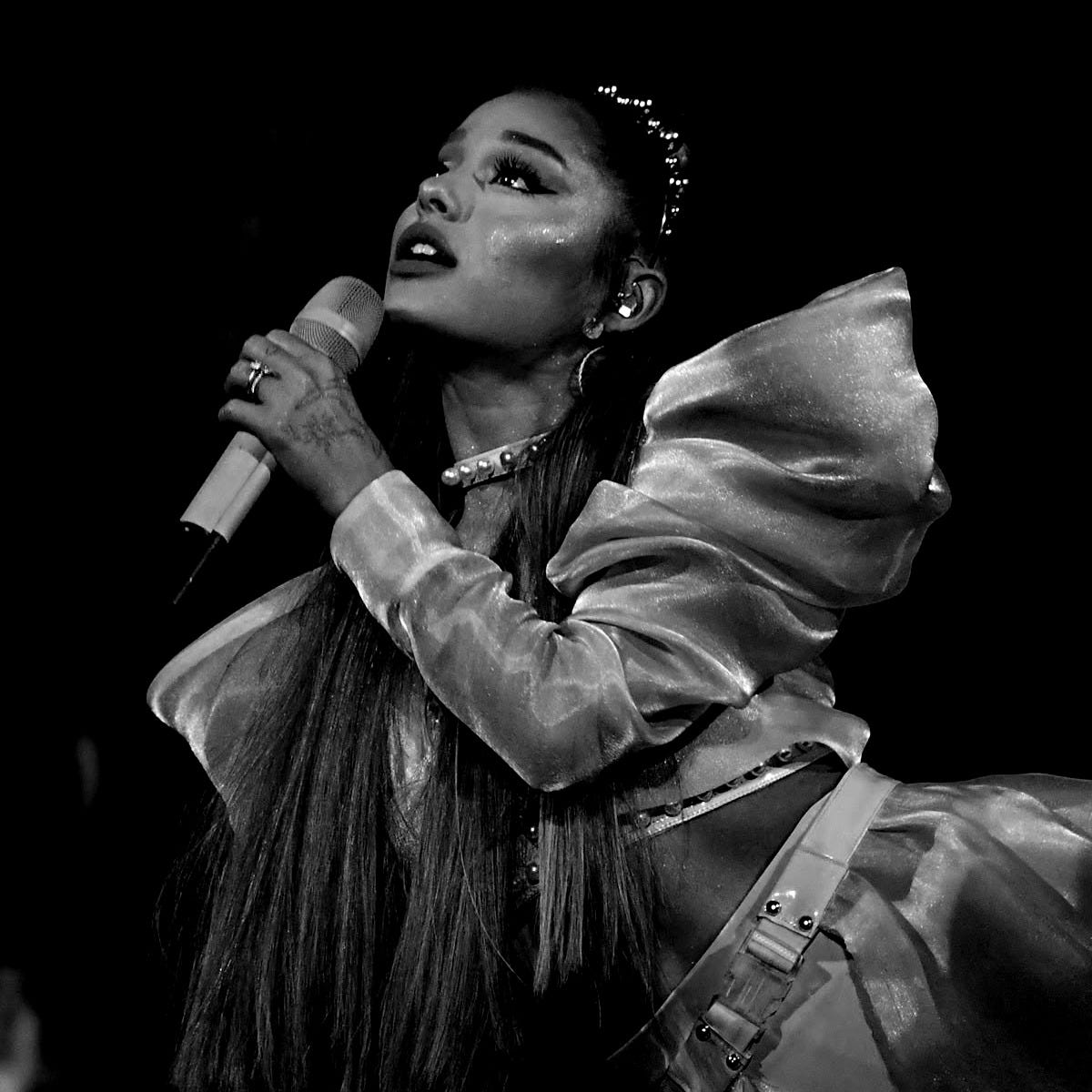
When she sings about knowing she will find her way from you, growing "like flowers from a tomb while you decide who you are," it feels like a staggering acknowledgment of what her late-2010s career actually was: beautiful, blooming things harvested directly from a place of grief, death and trauma. She is reminding us that the art the public treats like a pristine garden was actually grown from a cemetery, all while we, the audience, were safely using it to navigate our own lives.
“Hate that I made you love me / Sorry if I made me your type… ‘cause I barely tried”
By the time she reaches the chorus that has everyone calling her out, I struggle to hear it as an attack. Instead, I hear grief. She is pointing out the bizarre irony of celebrity. The version of “Ariana Grande” the public fell most desperately in love with may well have been the version she felt most disconnected from. The “type” was created so effortlessly that she barely had to try, yet she was left carrying the weight of a version of herself that other people refused to let go of.
The version of 'Ariana Grande' the public fell most desperately in love with may well have been the version she felt most disconnected from
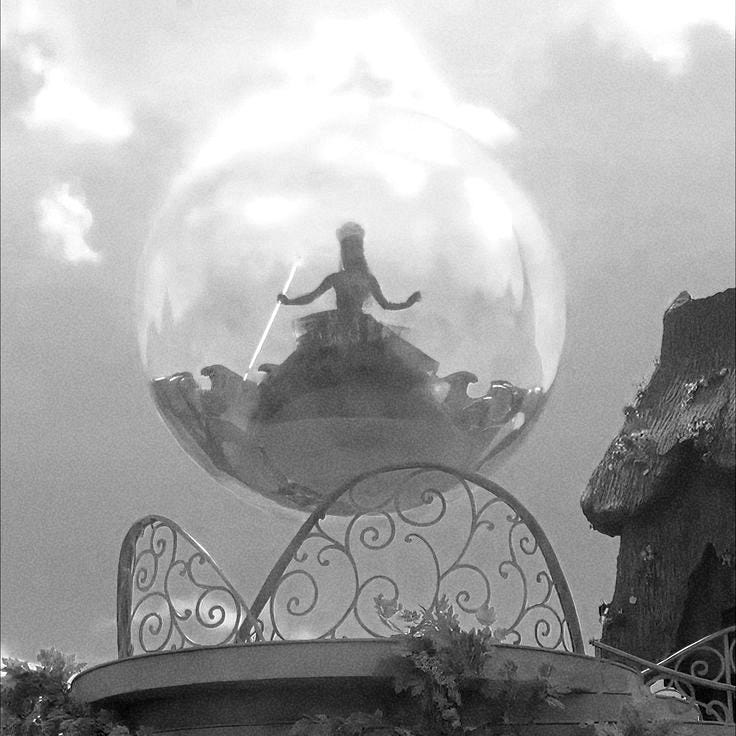
The more I listen, the more I find myself thinking about another role Ariana has inhabited recently. It feels deeply connected to The Girl in the Bubble, the original number Glinda sings in Wicked. There is something haunting about the parallel between a character floating above the world in a pristine pink bubble built on public illusion and a pop star realising that her own bubble has become a cage. Like her line from Hampstead - “I’m still the same but only entirely different” - or the sharp boundaries drawn throughout yes, and?, this lead single feels like Ariana taking a pin to her very own bubble.
When she sings about being “a bee stuck in honey,” I can’t help but hear it as a metaphor for the very thing that made her famous. Honey is sweet, desirable and rewarding whilst being thick, heavy and capable of trapping the things that wander too far into it. To me, it feels like the perfect description of becoming stuck inside the version of yourself that the public rewards most enthusiastically. She refuses to let her bubble become her cage, and as the song progresses, she shifts the lens entirely and begins interrogating us.
When she drops the line, “You studied my crown and borrowed my body,” she delivers an absolute gut-punch regarding her own autonomy. This very much feels like her calling out all of the media backlash she has faced in recent years, obsessively analysing her weight, health and appearance as though they are topics open for public debate. People studied the crown: the status, the metrics, the iconography. They borrowed the body and projected their own expectations onto it, often forgetting there was a human being underneath.
By the second pre-chorus, that bittersweet reflection turns into quite the reality check. When she delivers the line, “I guess it’s kind of cute how you like me where you are / But I can see right through,” the diplomacy drops entirely. This could easily be interpreted as Ariana recognising that some listeners only want the version of her that already exists in their heads. She’s essentially saying: I see what you’re doing, and I’m absolutely not vibing with that anymore. She is looking at the fans demanding a return to old eras and telling them it’s adorable they think their comfort zones dictate her career.
She follows it with a celestial warning to not eclipse the moon because “it’s all bad news.” Ariana is the moon, moving through her phases, and to me this feels like a warning that she isn't willing to shrink herself to fit somebody else's expectations anymore.
Which brings us to the bridge, the moment the fourth wall of pop stardom completely shatters:
“I’ve held your projections when you’ve felt so insecure
Tell me, why is it this way?
Why you so hate to see women endure?
Is it really my fault you all gave me your hearts of your own accord?
I don’t really think so.”
Social media has granted the public an unprecedented level of access to artists, and with it has come a growing sense of entitlement. We know what celebrities eat, wear, post, date and think before we’ve even had our breakfast. Somewhere along the way, access became mistaken for ownership. Ariana is directly addressing the masses here using the plural “you all” - she is firmly refusing to be a vessel for other people’s projections any longer and more power to her, it’s about time.
Her question - “Why you so hate to see women endure?” - is particularly devastating. To endure is to survive. To heal. To move forward. To find joy on the other side of hardship. Yet the internet often seems far more comfortable with women as tragic figures than as people who recover.
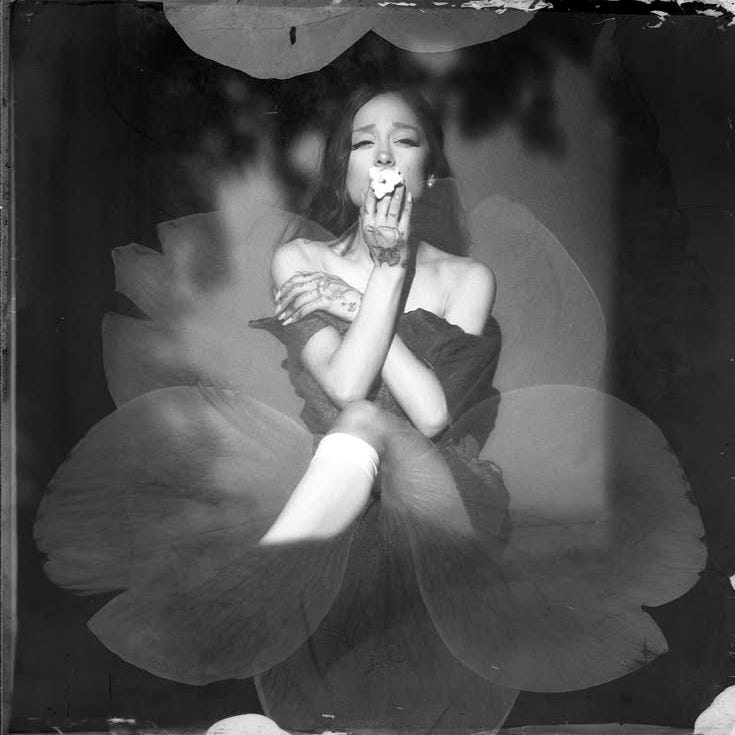
If you listen beyond the dreamy synths and nostalgic production, the song reveals itself not as an attack but as a release, and perhaps that’s what I love most about it. Despite the heaviness of the lyrics, the song itself feels weightless, ethereal and nostalgic. It makes me want to dance and cry at exactly the same time. There is something almost bittersweet about wrapping such pointed observations inside a song that sounds so warm and inviting.
Instead of rejecting her audience, “you decide who you are” feels like she is giving them permission. It is permission to stay, permission to leave, and permission to stop trying to drag her backwards. While everyone else is busy deciding who they are, she is finally allowing herself to become who she wants to be.
She is claiming her identity as an actress, a vocalist and a creator of genuine art. She wants people to grow with her, but she’s no longer willing to stunt her own evolution or keep her trauma on a loop just to keep the more entitled corners of the internet comfortable. She isn’t pushing us away because she’s ungrateful; she’s opening the door and gently reminding us that if we only loved the bubble, we are entirely free to leave.
And obviously, nobody reading this needs to ask where I’m heading !!
If you made it this far, thank you for reading! This song has been living rent-free in my brain, but I’m dying to know how everyone else is feeling about it. Are we fully backing the ari evolution, or are you still quietly mourning the old eras?
Front Row Feels is completely reader supported. If you vibe with deep dives like this and want more music culture in your inbox, sticking your email down below means the world.
this whole article is a masterpiece. being an ari stan the lyric breakdown and your interpretation of it had me in tears. this is everything🤍🤍🤍
Beautiful! It's exactly how I interpreted the song. I've learned tho that I have a completely different experience and take when I watch the video. She is a genius 😭