
She Should Be So Lucky?
Trading tabloid headlines for TikTok comments: have we really learned anything at all?

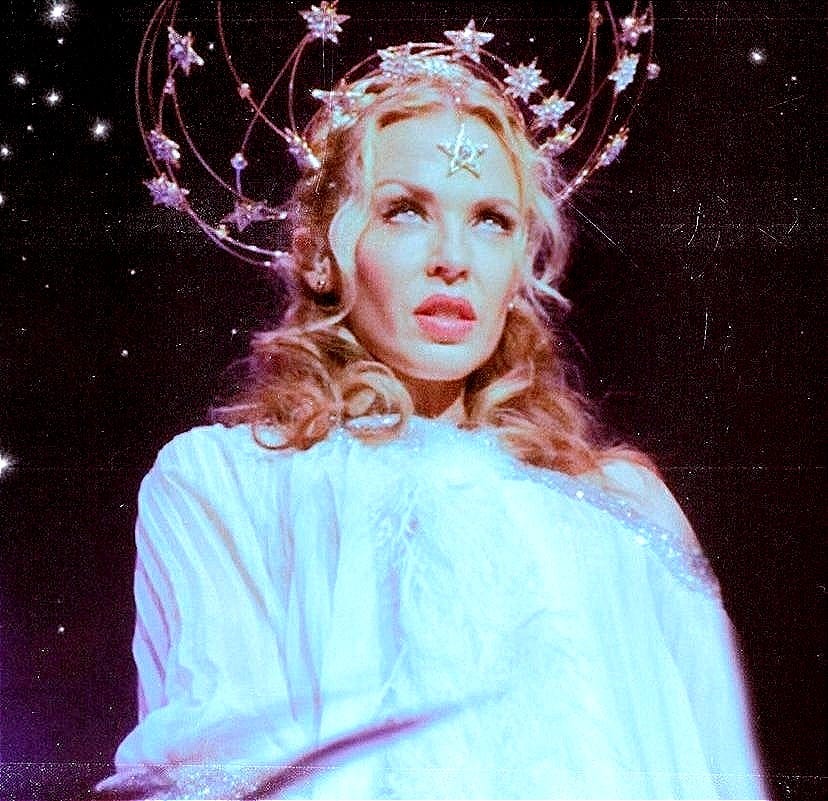
I’ve been thinking a lot about my previous piece of writing. Upon reflection, I do believe that there is a much wider picture to explore and examine within music culture. What sparked my curiosity, you ask? Kylie Minogue and her new Netflix documentary.
Watching Kylie Minogue reflect on decades of public scrutiny felt strangely familiar. Not because her experience was unique, but because it wasn’t. As I watched, I found myself thinking about CMAT. Different artist. Different generation. Different stages of their careers. Yet somehow, the conversation remains unchanged. I couldn’t help but ask: how is it possible that a woman who debuted in the 1980s and a woman releasing music in the 2020s are still navigating versions of the same conversation? What have we actually learned? Suddenly, society doesn’t feel quite as progressive as we think it is.
Different artist. Different generation. Different stages of their careers. Yet somehow, the conversation remains unchanged.
We often congratulate ourselves for having moved beyond the tabloid era. It is widely accepted now that the treatment of artists such as Britney Spears and Amy Winehouse was deeply unethical and should never be repeated. Over the years, we have assured ourselves that we know better now and things have changed.
But I can’t help wondering whether the core issue has changed at all.
An uncomfortable truth to sit with is that this sort of cruelty hasn’t been eradicated; it has simply evolved alongside an ever changing society. In the 90s and 2000s, the vilification of female artists was very much top down, orchestrated by a room of tabloid editors and paparazzi eager to cash in on a woman’s pain and suffering. Today, this has completely flipped on its head, with comment sections and online forums replacing a large volume of physical media.
It would be naive and somewhat lazy of me to suggest that this differing landscape has entirely made everything worse. The reality of the digital age is far more nuanced, and in many ways, infinitely better. Today, artists can bypass traditional media entirely to speak directly to their communities. Fans have the collective power to challenge unfair narratives in real time, rallying around artists to build safety nets that simply didn’t exist thirty years ago. There is, without a doubt, more public accountability for journalists than ever before.
Yet, beneath this glossy new infrastructure, the underlying impulse remains startlingly familiar. The questions typed into a search bar are merely modern variations of the old tabloid headlines:
What does she look like?
Has she gained weight?
Is she aging well?
Is she trying too hard?
Is she not trying hard enough?
Is she grateful?
Is she authentic?
Is she annoying?
The thing that fascinates me is that we appear to have reached a tipping point culturally, where most people would look at a cruel, invasive tabloid headline from 2004 and immediately recognize it as unacceptable. But some of those individuals will happily leave an almost identical comment underneath a TikTok video.
Part of the issue, I think, is not that every single person is inherently malicious. Rather, the environment feels entirely different. A newspaper headline feels powerful, institutional, and very much “real”. A comment feels inconsequential, a tiny drop in the ocean. However, to the human being on the receiving end, the distinction between a front-page headline and a thousands deep comment section is far less meaningful. The weight of the scrutiny will undoubtedly land exactly the same, if not worse. We didn’t end the culture of public dissection. We simply decentralized it.
We didn't end the culture of public dissection. We simply decentralized it.
To understand how deeply this runs, I take you back to the Australian powerhouse that sparked this piece of writing in the first place: Kylie Minogue. Within her Netflix documentary, she painfully details the treatment she received from the media from an extremely young age. Decades before she became an internationally revered, undisputed icon of pop music, she was just a girl who knew she wanted to become a successful musician, whom the media dissected and mocked repeatedly whilst on her way to this level of success.
The physical documentation of this era is staggering in its hostility.
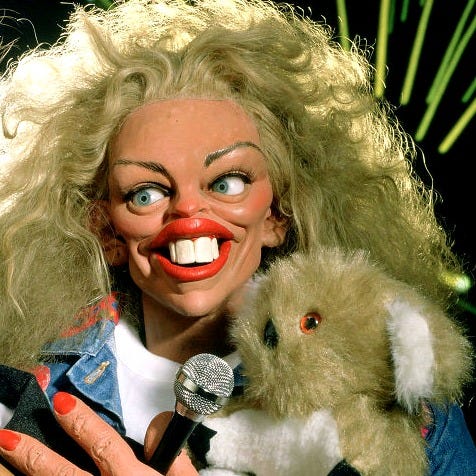
The satirical show Spitting Image reduced Kylie to a caricature (as seen verbatim in the above image) complete with exaggerated, buck-toothed features and holding a koala.
The print media was even more viciously sneering, treating her artistic output not with critical critique, but with outright malice. While trawling through archived media articles, I stumbled across a review of “I Should Be So Lucky” where a journalist asks: “Is the sound we hear your voice, or is it in fact a Scottish Terrier being put under electrotherapy? Is this record nothing more than an elaborate death threat, designed to terrify my dog?”
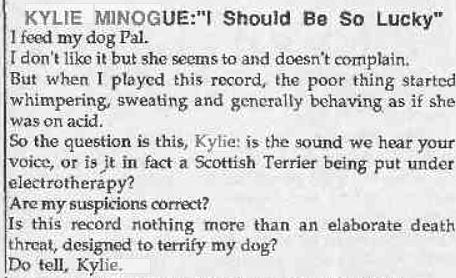
When she tried to assert her own adult agency and shed the squeaky-clean image forced upon her, the media pivoted instantly from mockery to moral panic.
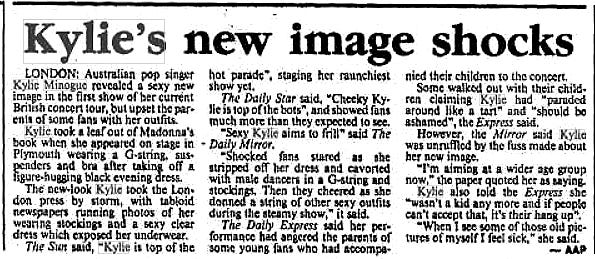
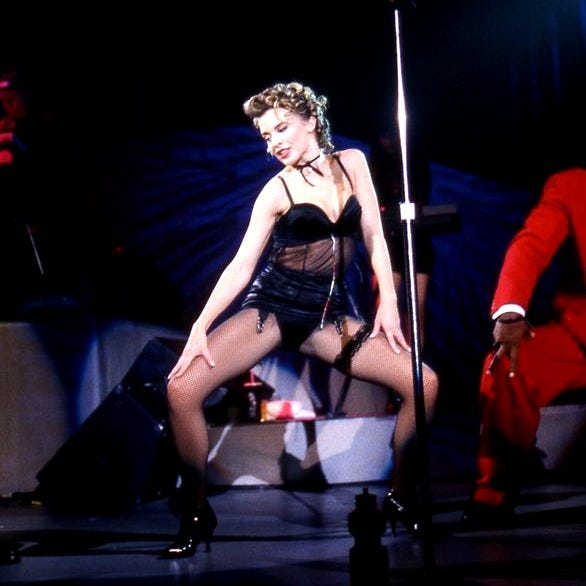
Further archived headlines like the above, taken from a 1991 publishing of the Canberra Times, scream about how “Kylie’s new image shocks,” accusing her of “parading around like a tart” on stage, and reporting that parents were “appalled” because she chose to perform in a G-string and stockings.
Even when she sat down to defend herself, as we see in her early 60 Minutes Australia interview titled “Kylie Minogue hits back at early critics”, she was forced to actively fight against the “dumb blonde” narrative just to have her voice heard. She was a teenager navigating an industry that desperately wanted to capitalize on her labour while simultaneously punishing her for existing within it.
When we lay these archived pieces side-by-side with the modern internet landscape, the parallels are chilling. The medium has shifted from newspaper and television puppets to algorithmic machines, but the psychological trap remains unchanged. We continue to demand that our female artists are perfectly compliant, endlessly grateful, vocally flawless, yet entirely unaffected by the noise around them. We mock their early work, panic when they assert their growth as artists, and express shock when they dare to draw a boundary or state that the constant dissection hurts.
We continue to demand that our female artists are perfectly compliant, endlessly grateful, vocally flawless, yet entirely unaffected by the noise around them.
I, for one, am forever in awe of Kylie’s career and the determination she has shown throughout it. Looking back through those headlines now, it is almost impossible to reconcile the way Kylie was treated with the level of respect she commands today.
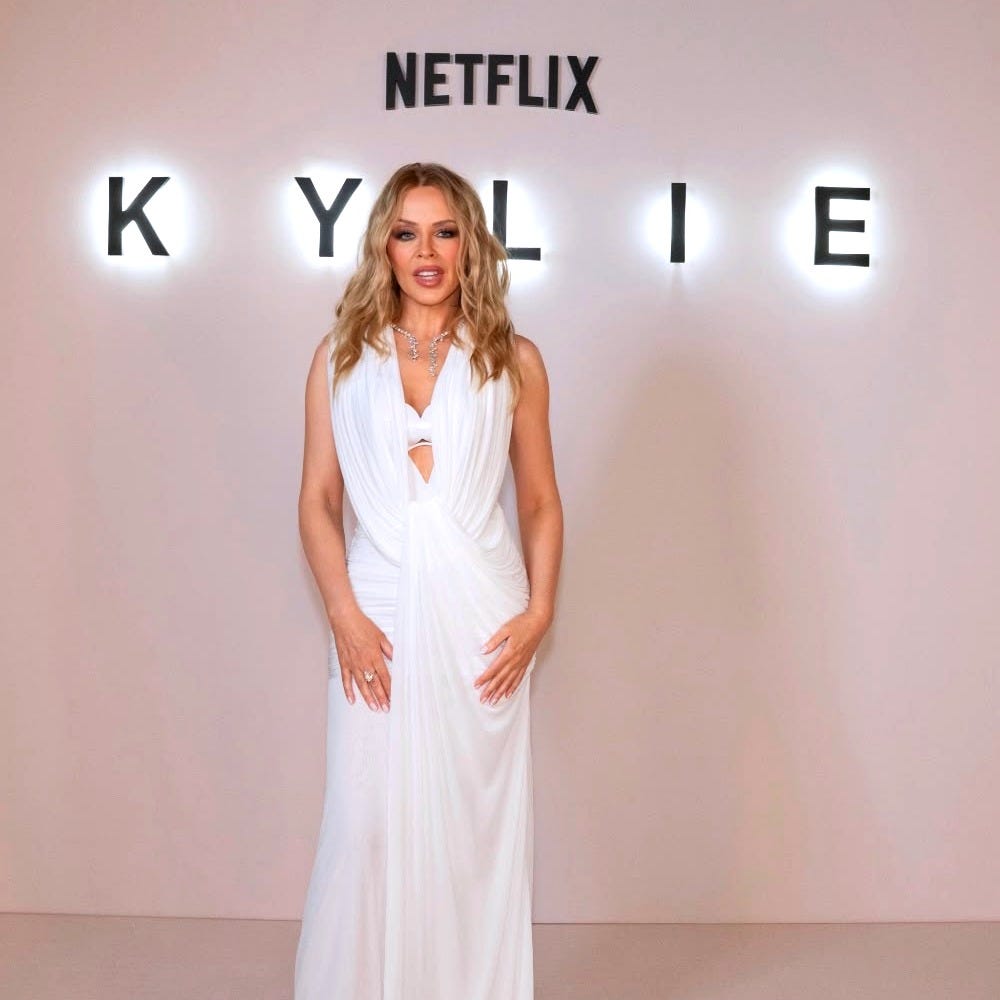
But as I look at modern artists like CMAT navigating the decentralized version of this exact same gauntlet in 2026, I am left with a question.
If we don’t stop treating public figures as disposable content for our collective amusement, if we don’t recognize that a thousand anonymous comments can carry the same psychological weight as a 2004 tabloid headline, what will the retrospectives look like thirty years from now?
Perhaps we have evolved. Artists have more agency, fans have more power, and the media landscape is undoubtedly more democratic than it once was. But for all of our progress, the underlying truth is a sobering one: we have changed the tools, and we have expanded the audience, but the conversation remains strikingly similar.
Thanks so much for reading. It’s a heavy one, but something I haven’t been able to stop thinking about lately.
If you’ve watched Kylie’s Netflix series, please let me know your thoughts in the comments. I found the whole thing completely fascinating and pretty heartbreaking, but mostly just a massive reminder of how legendary she is. To survive decades of that level of noise and still be the most beloved person in pop is insane.
And finally, if you’re one of the many people who recently subscribed thank you so much for sticking around. Front Row Feels is usually just a space for me to ramble about live gigs, songwriting, and the random corners of music culture that keep me awake at night. I’m incredibly grateful you’re here!
I was thinking the same thing as I watched that documentary. The way the tabloids and tv presenters treated her at 19, at 21… it was so unbelievably cruel. And so little has changed, 40 years on. It’s so depressing