
The Wrong Measure
Why watching Bebe Rexha question her own success felt so heartbreaking.

The music industry somehow convinced a Grammy-nominated songwriter with 43 million monthly Spotify listeners that she wasn’t successful enough.
That was the thought I couldn’t shake while watching Bebe Rexha’s recent interview with Zach Sang.
A few minutes in, I found myself feeling unexpectedly protective. She wasn’t angry or sitting there blaming everyone else for her career. If anything, she sounded genuinely heartbroken.
There was a sadness running through the entire conversation. Here was an artist with a catalogue most songwriters would envy speaking as though she’d somehow come up short. You could hear the weight of carrying an industry’s indifference, becoming visibly emotional as she agreed with Zach’s suggestion that she’d been robbed of the superstardom she knew she was capable of.
I think we’ve become so obsessed with defining success by the absolute highest tier of superstardom that we’ve completely forgotten what a wildly successful career actually looks like. We’ve started talking about music careers as though there are only two outcomes: becoming one of the biggest stars on the planet or failing.
As most will be aware, I am deeply passionate about celebrating female artists, and Bebe Rexha is no exception. By the end of the interview, I wasn’t thinking about the opportunities she missed. I was thinking about the career she’d already built.
Perhaps that’s why I felt compelled to write this. Once again, this essay is brought to you by late-night anger at the unrealistic, and at times impossible, standards we continue to impose on female artists.
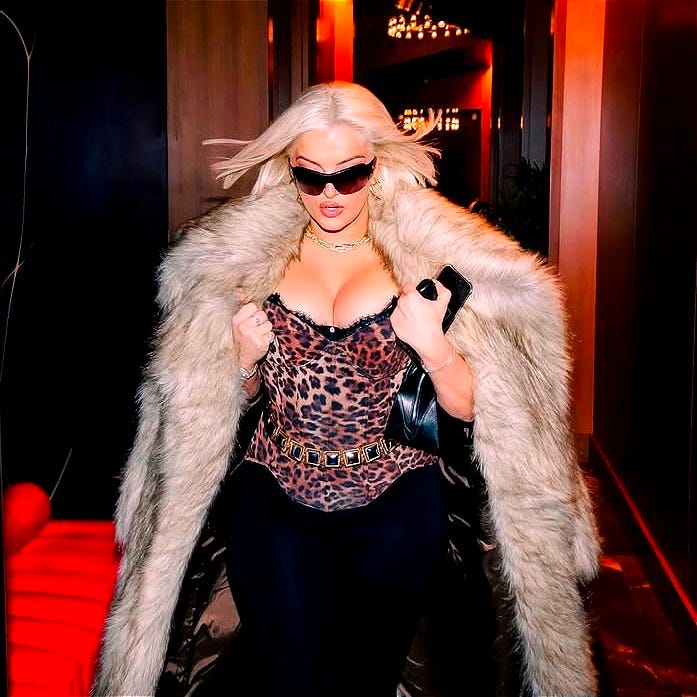
To understand why the interview feels so upsetting, you first have to understand what Bebe Rexha has already achieved.
Long before she became a familiar voice on radio playlists, she was a self-confessed music nerd who just wanted to write songs. She co-wrote The Monster, the Grammy-winning collaboration between Eminem and Rihanna that became one of the defining hits of the 2010s. Then she stepped into the spotlight herself with songs like Me, Myself & I, proving those songs weren’t a fluke. She could write hits for other artists and for herself.
Very few artists have careers that stretch across pop, hip-hop, country and EDM. Bebe Rexha does. Whether she was making chart-toppers with David Guetta and Martin Garrix or breaking records with the Diamond-certified Meant to Be, people kept connecting with what she made.
That’s what makes the rest of the interview so difficult to sit through.
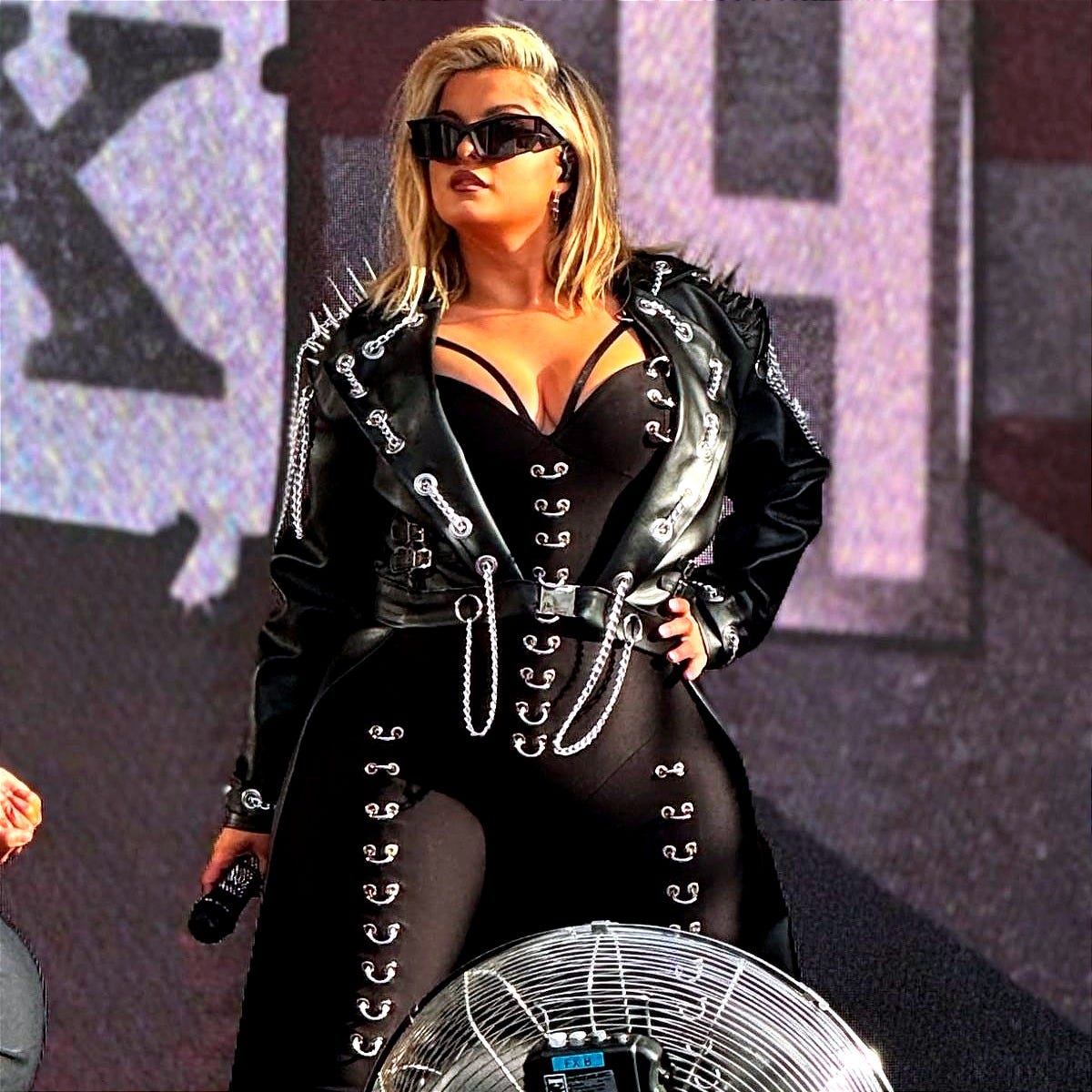
During her time with her previous label, Bebe revealed a pattern that would likely wear down even the most confident artist. Time and again, she’d write songs for herself, believe in them enough to record them, only for executives to pass on them before those very same songs went on to find success elsewhere.
That has to mess with your head. You’re told a song isn’t good enough, then you watch it become a hit. After a while, it becomes difficult to believe the song was ever the problem. The message starts to feel much more personal.
We like the song. We just don’t think you’re the person who should be singing it.
For someone who loves songwriting as much as Bebe clearly does, that’s an incredibly painful thing to keep hearing.
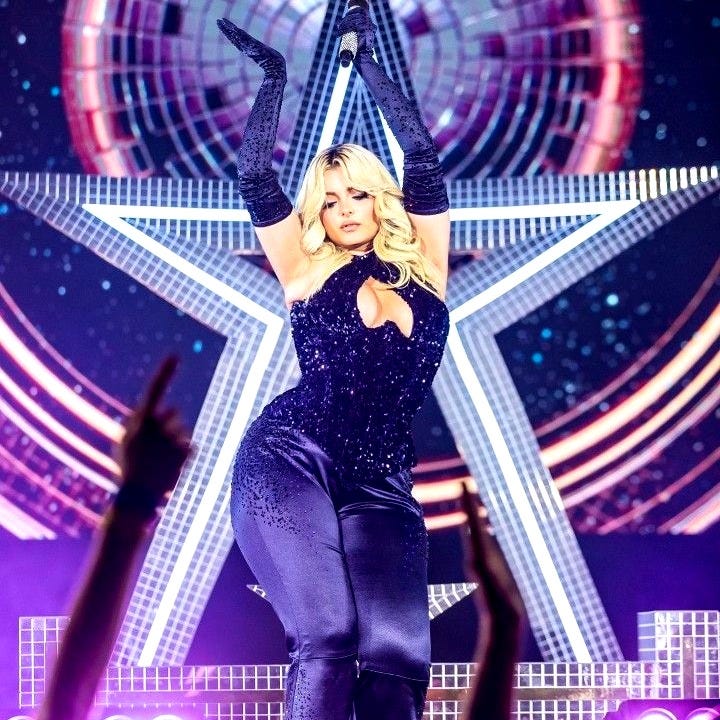
The interview also touched on another reality many women in music know all too well. Behind closed doors, Bebe says she was repeatedly told she was “too old” to be pushed as a frontline pop star. It’s difficult to imagine hearing that over and over again and not eventually internalising it.
The evidence kept proving her instincts right. The people making the decisions kept telling her they were wrong.
At some point, even the strongest sense of self starts to wobble. If enough people keep questioning your ability, your judgement or your place in the room, eventually you start wondering if they’re right.
The thing that stayed with me most, however, was how often Bebe returned to her love of songwriting. Listening to her speak, it's obvious music has always been the thing she lights up talking about.
When Bebe talks about carrying things for the last seven years, you get the impression she's exhausted. Not because of one moment, but because this has been happening for years. Eventually, it must become difficult to believe in yourself when the people making the decisions never seem to.
One moment from the interview has been rattling around my head ever since I watched it.
Bebe gets tearful telling Zach how inspiring it is to see artists like Charli XCX and Zara Larsson thriving in their thirties. Watching from home, you just want to reach through the screen and shake her. Gently, obviously. She’s talking about them as proof that there is life beyond the industry’s imaginary expiry date, while seemingly missing the fact that she’s become that proof for plenty of people herself.
Her career hasn’t followed a perfectly straight line. Maybe that’s exactly why it resonates. She just kept going. There’s something so deeply inspiring about that.
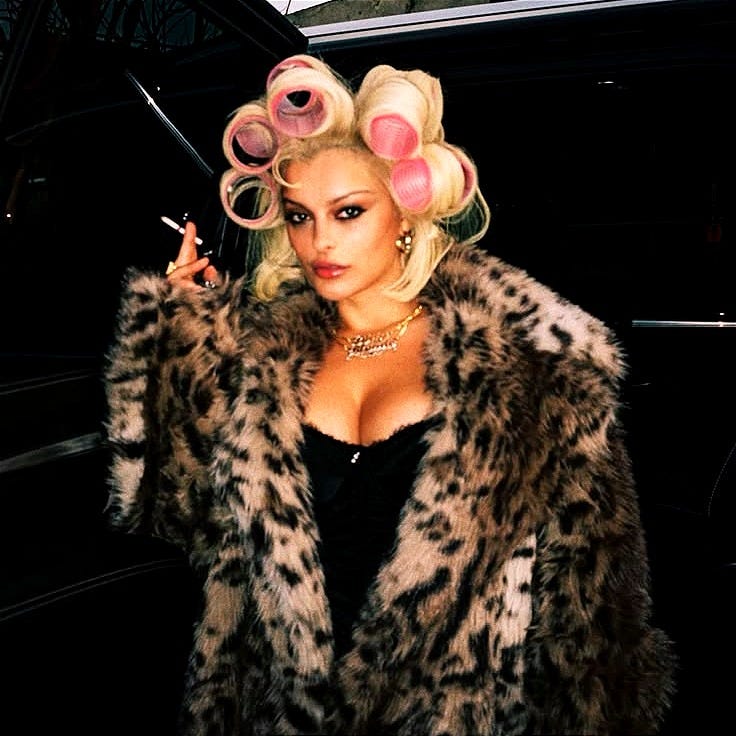
In 2025, Bebe officially parted ways with her major label and signed with independent music company EMPIRE. Dirty Blonde is the first release from that partnership and, having watched the interview, I found myself hearing it differently.
I kept thinking about everything she’d spoken about in the lead-up to this release. How much time she’d spent trying to convince people who’d already made up their minds about her. How exhausting that must have been.
Funnily enough, I kept coming back to Zara Larsson. Bebe spoke about her with so much admiration. Then, a short while later, Zara has parted ways with her own label and to my knowledge is currently independent. Different careers, different reasons, of course, but I couldn’t help wondering whether there’s something to be said for artists trusting themselves a little more and executives a little less.
It’s taken me a while to finish writing this piece because I really do feel for her, and I wanted to get it right. In that time, Dirty Blonde reached No. 1 on Billboard’s Top Dance Albums chart. Oh how deserved that is.
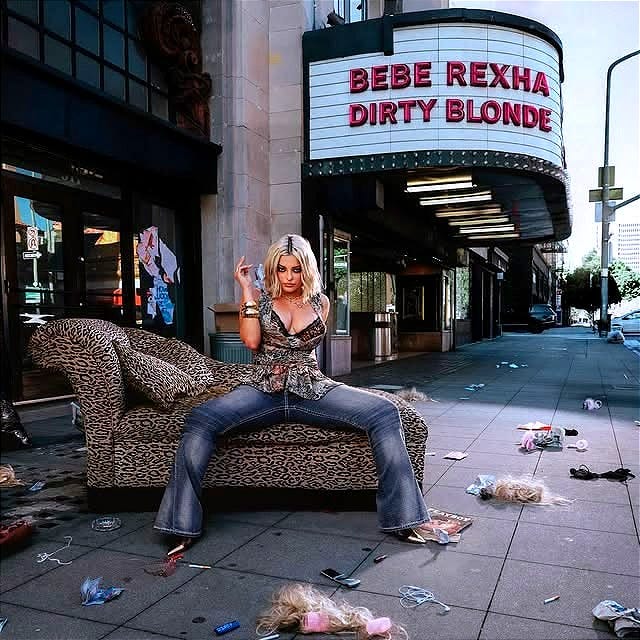
There’s something wonderfully fitting about Bebe’s first independent release finding that kind of success after years of people questioning her judgement. Maybe the only opinion she ever really needed to trust was her own.
More than anything, I hope she keeps trusting herself.
I’ll certainly be rooting for her.